

Why Africa and Why Wave
I moved to the US from Nigeria in 2008 for graduate school, chasing educational and economic opportunities. I always wanted to return back home, but over time staying in the US felt sticky. I knew I wanted to work in Africa eventually though.
After several roles in tech, I strongly started to consider it during my time at BlackRock around 2018. I talked to a few companies but nothing felt right - the roles either expected me to relocate back to Africa full time or the pay was considerably lower than what I was making in San Francisco. In 2019 I joined Stripe, but just before I transitioned over I took a month to travel through Kenya and Rwanda, feeling out the tech ecosystem there.
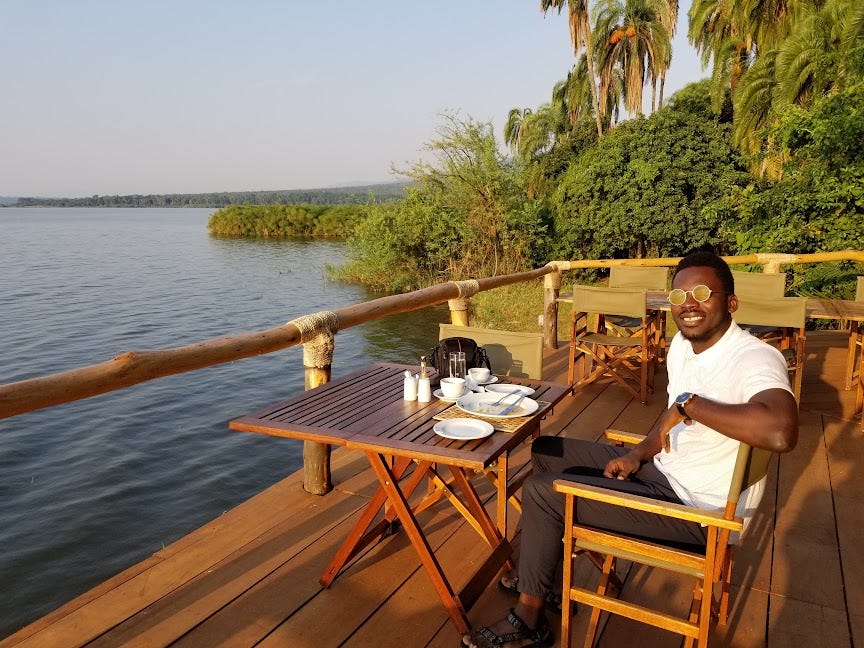
The global pandemic changed things in 2020, and suddenly a lot of people were working remotely and that was acceptable. After several years at Stripe, in 2022, I was looking for what next and Africa was a strong consideration. Talking to companies, it was clear that more were open to remote work, and I was at a place financially where a drop in pay wasn’t as important to me as the mission. A friend mentioned Wave Mobile Money to me and I was very interested. I talked to several African companies, Wave included, and settled on Wave.
Why Wave?
Wave offered me the most unique blend of ease and challenges that I was looking for.
What I loved:
It was fully remote. I could be with my family in California and still deliver impact globally. I would also get the opportunity to be in our operating countries frequently to be closer to the product
It was at the intersection of financial inclusion and Africa, which are both dear to me
The opportunity for impact was quite high, given how much Wave could grow in the region. I felt I could grow in the space
I felt comfortable bringing my experience as a tech leader from my prior roles at Stripe, BlackRock, JP Morgan and Deloitte
The founders already had success in Africa with Sendwave
What I felt challenged by:
This would be my first time working in Africa
While I had a lot of experience in fintech, I have never worked on Mobile Money. This would be my first time
I did not speak French (at least beyond the basic “please I want water!”), which is the primary language in most of the operating countries: Senegal, Ivory Coast, Burkina Faso, Mali
Ultimately the combination of what I loved and the challenges meant I felt I had an opportunity to be impactful, while also growing as a leader.
What is Wave Mobile Money and why is its mission important?

To truly understand why Wave Mobile Money is important is to first understand what is the playing field in Africa. For millions of people there, financial exclusion has been the norm.
In 2017, over half the population in Sub-Saharan Africa had no bank account. That's for good reason—the fees are too high, the closest branch can be miles away, and nobody takes cards. Without access to financial institutions, people are forced to keep their savings under the mattress. Small business owners rely on lenders who charge extortionate rates. Parents spend hours waiting in line to pay school fees in cash.
Wave is solving this by building financial services that just work: no account fees, instantly available, and accepted everywhere. In places where electricity, water and roads don't always work, you can still send money with Wave.
In 2017, Wave launched a mobile app in Senegal for cash deposit, withdrawal, and peer-to-peer and business payments. Now, Wave has millions of users across six countries and are growing fast. [About Wave]
Wave has been a success for digital payments and financial inclusion, where it pushed other dominant mobile money operators to lower their transaction fees by nearly 80% in Senegal. Backed by investors like Sequoia Capital and Stripe, Wave continues to transform lives in Africa.
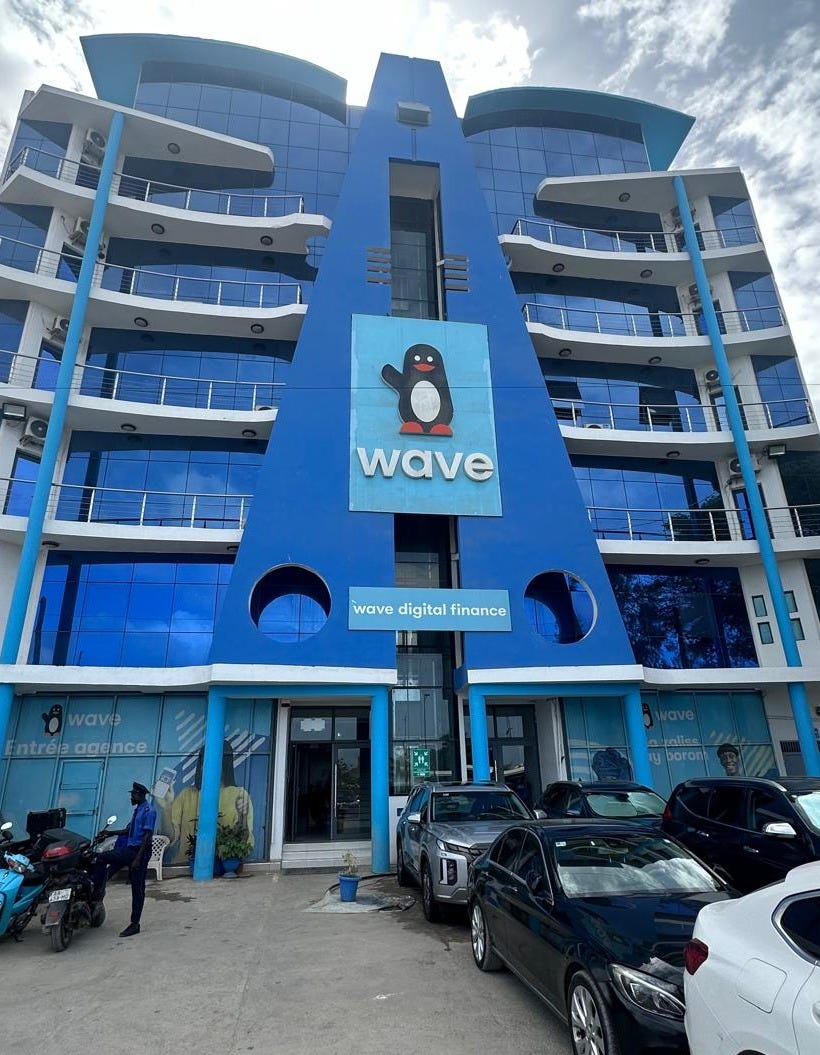
What was my role and how it evolved
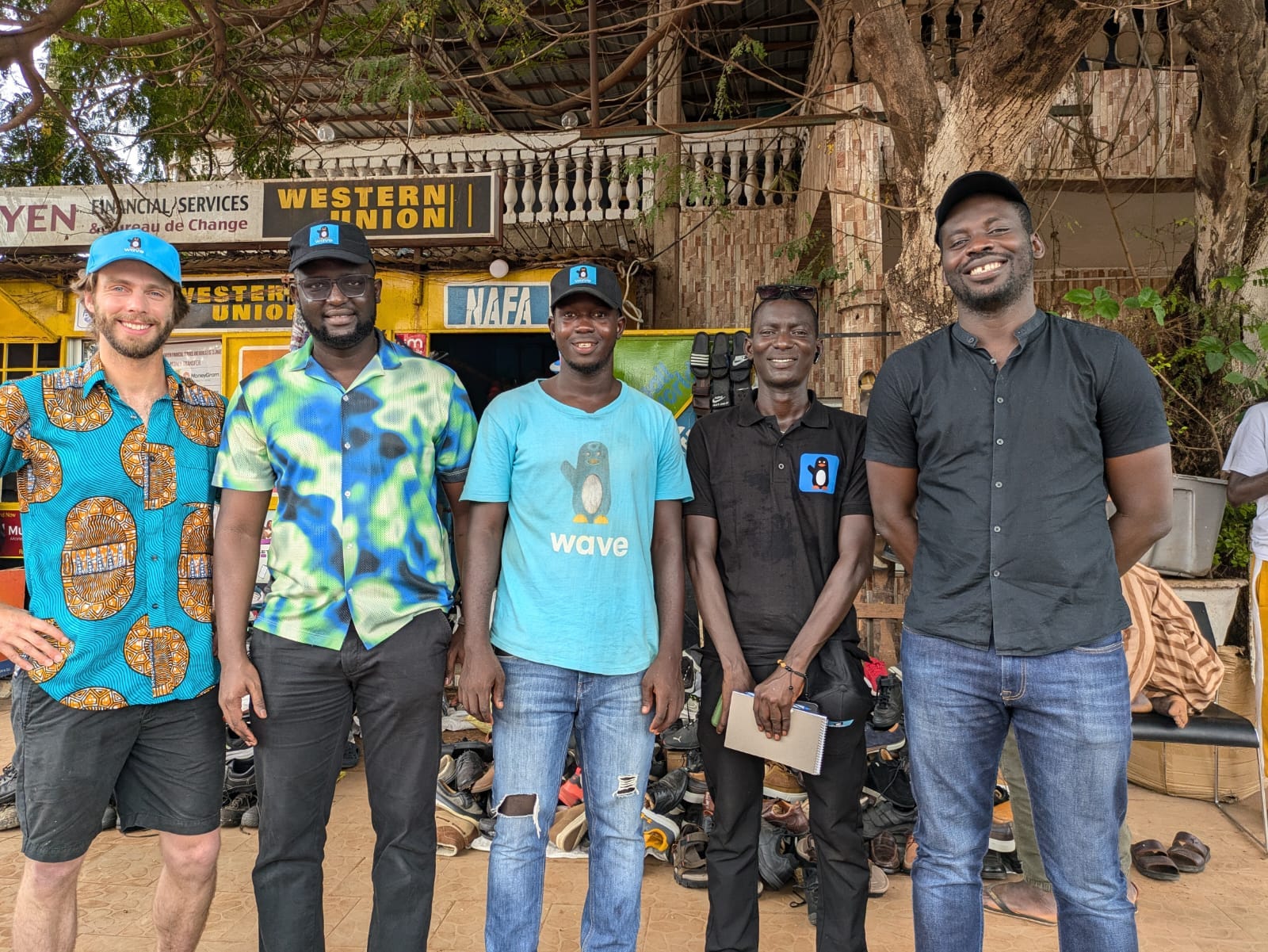
I joined Wave as the Director of Engineering for the user-facing products. The scope was pretty much any app / service that interacted with our users directly. When I say users, they fall into three broad (and sometimes overlapping) categories: Customers, Merchants & Agents.
Initially, the 5 teams under me were:
Payments: Handled all our in-person and online payments
Customer: Our core P2P and customer team
Agent: Handled tech enablement for our agents and field operations
Integrations: Handled our partner integrations with bill payments, airtime and banks
Growth: Handled our initiatives & promos to help Wave acquire and grow users
This was a ~ 30 engineer org. As I leave Wave now, that has grown to ~ 50 engineers, with more teams under my scope for Risk, independent payment teams, Field Ops and Financial Services.
As a Director your focus area changes week over week, but I will describe my role as focused on:
Team Leadership and Development: I developed our engineering managers and technical leads by providing mentorship and growth opportunities through 1-1s, skip level discussions, feedback sessions and workshops. My managers were varied in level and experience so I tailored my approach for each. For example, with my more junior managers I generally provided more hands-on guidance, while for the more senior managers I tried to provide more context for them to expand their influence.
Career Development for Engineering: I either led or was involved in various career development initiatives. For example, I created the Tech Lead Manager ladder at Wave, and contributed to our first ever Engineering Manager Ladder. I led all calibration for my org during our bi-annual performance review sessions. I also led various workshops to help grow engineers into leaders internally.
Execution Oversight and Operational Efficiency: I am very data driven and try to optimize my teams for efficiency. I tracked KPIs across each team to ensure it is delivering optimally. I also led initiatives to drive operational efficiency. For example, I led a company-wide reliability SLO drive.
Strategic alignment and roadmap planning: I worked closely with product and business leaders to execute on the strategy. I was responsible for how well each team was staffed and equipped to accomplish its goals. I led various reorgs and internal mobility between teams.
Quality standards: I worked on pushing the quality bar. I ensured teams are held to similar standards. This was either through clearer code review practices, or ensuring teams had good technical design documentation.
Team Health and Culture: I led several initiatives across engineering to drive team health and culture. For example I ran team health surveys across all my teams every two months, with recommendations to team leads on what changes needed to be made to improve.
This is just the first part about my journey at Wave. For the next post, I will talk about what is unique about working in Africa and share some interesting things I worked on. Thank you for reading this!
Leave comments, shoot me a message at omo@dearomo.com and/or subscribe!